黑科技动态桌子,时间可视化与智慧技术解析
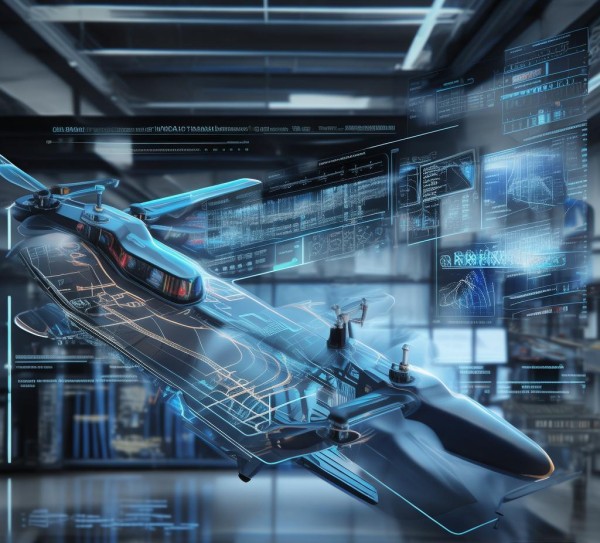
黑科技动态桌子技术通过先进的传感器和人工智能算法,实现了时间的实时可视化与智慧交互,其核心特点在于能够将抽象的时间概念转化为可感知的动态图像,同时结合多模态数据进行实时分析,这种技术不仅提升了工作效率,还增强了远程协作和智能化管理的能力,动态展示的精准度和交互性使其成为办公室、医院、工业界等领域的理想工具,为复杂场景下的高效沟通和决策提供了有力支持。
In today’s rapidly evolving digital age, the integration of technology has transformed how we live, work, and connect with the world. A dynamic clock, or dynamic time visualization tool, is a visual representation that shows time changes in real time, blending technology with traditional methods. This innovative approach uses advanced technologies like 3D modeling, virtual reality (VR), and augmented reality (AR) to create lifelike displays of time evolution and environmental changes, making it a key tool in modern life.
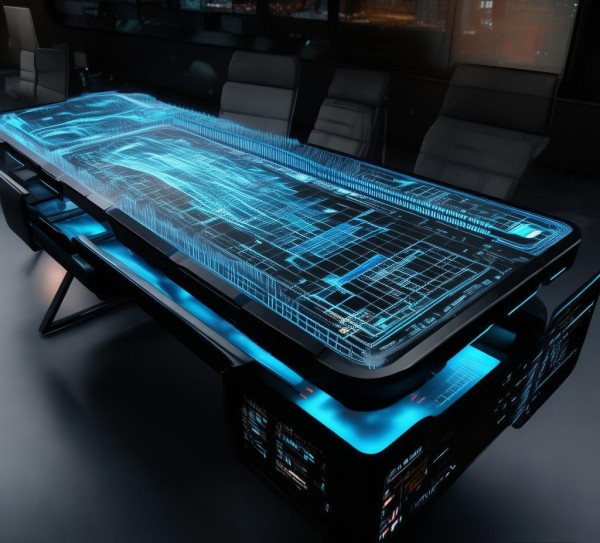
Dynamic time visualization, also known as dynamic clocks or time visualization tools, is a visual representation that shows time changes dynamically. It leverages cutting-edge technologies to create lifelike displays of time evolution and environmental changes, making it a key tool in modern life. Unlike traditional time displays, dynamic clocks provide a more engaging and immersive experience, allowing users to observe time flows in real time and the surrounding environment.
History and Evolution
The concept of dynamic time visualization has its roots in ancient timekeeping devices like mechanical clocks, but with the advent of advanced technology, it has evolved significantly. Technologies like 3D modeling, virtual reality (VR), and augmented reality (AR) have enabled dynamic time visualization to become more precise and visually captivating. These technologies allow for detailed time displays in various dimensions, including different times of the day, different locations, and even different environments. The result is a tool that not only tells time but also allows users to experience the passage of time and the changing world around them.
Technical Foundations
At its core, dynamic time visualization relies on several advanced technologies:
-
3D Modeling Technology: This allows for the creation of highly accurate and detailed time displays. It can simulate the passage of time, display different times of the day, and show various environments, such as shaded areas, clouds, or even the sun setting.
-
Virtual Reality (VR): VR technology enables users to experience dynamic time visualization in a simulated environment. With VR, users can view time displays from different angles, see the movement of the clock hands, and interact with the environment, all while the time changes. This provides an immersive and interactive way to observe time evolution.
-
Augmented Reality (AR): AR technology combines digital and physical elements, allowing users to overlay dynamic time visualization onto real-world environments. For instance, in a home or office setting, users can see a 24-hour clock overlay over their surroundings, with the clock moving in real time as they walk or move around. This creates a realistic and dynamic experience that is both educational and entertaining.
Applications
Dynamic time visualization has a wide range of practical uses, including:
-
Office Settings: In offices, it can be used to track employees' working hours, monitor equipment status, and keep track of team activities. It can also help in scheng meetings and understanding project timelines.
-
Exhibitions: Expos can benefit from dynamic time visualization to display real-time information about the event, such as schedule updates, locations, and visitor numbers. It creates an interactive and engaging environment for visitors.
-
Emergency Response: In emergencies, dynamic time visualization can provide real-time information about the location, time, and status of the scene. It can also help emergency responders to locate people or resources quickly.
Future Prospects
As technology continues to advance, dynamic time visualization is expected to evolve into an even more sophisticated tool. Some emerging trends include:
-
Integration with AI and Big Data: By leveraging artificial intelligence and big data ytics, dynamic time visualization can become more intelligent and accurate, automatically adjusting to changing conditions and providing more precise information.
-
Multi-Scenario Display: Dynamic time visualization will likely expand its capabilities to include more scenarios, such as different times of the day, various locations, and even different activities happening simultaneously. This will make it a versatile tool for various applications.
-
Social Interaction: With the rise of social media and digital platforms, dynamic time visualization will become more interactive and user-friendly. It can be integrated with social apps to allow users to share their time evolution experiences, making it a platform for connecting with others and sharing their lives.